Michael Jackson Acquittal Explained: Facts, Evidence & Truth (Fact-Checked, Latest Update)
The Verdict: Why the Jury Said “Not Guilty”

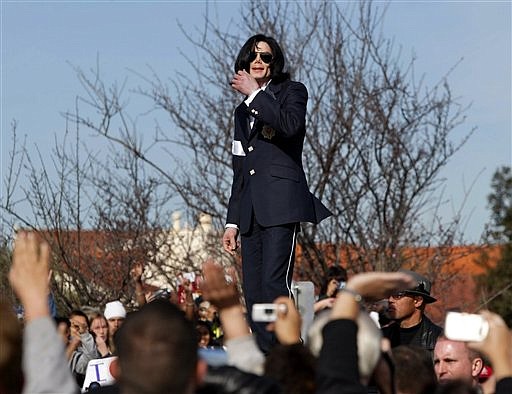
After hearing testimony from more than 130 witnesses and reviewing months of evidence, the jury deliberated for approximately 32 hours.
On June 13, 2005, the verdict was announced:
Not guilty on all 10 counts.
Jurors later explained that the prosecution failed to meet the legal burden of proof—the requirement to prove guilt beyond a reasonable doubt. Several jurors expressed serious concerns about the reliability of key testimony.
Legally, the jury rejected the prosecution’s case in its entirety.

In 2005, Michael Jackson, one of the most famous entertainers in history, faced a criminal trial that drew global attention. Accused of serious crimes involving a minor, Jackson stood before a jury in Santa Barbara County, California. After months of testimony, intense media scrutiny, and worldwide debate, the jury returned a clear verdict: not guilty on all charges.
This article explains what Michael Jackson was accused of, what evidence was presented, why the jury acquitted him, and what the verdict legally does—and does not—mean, based strictly on court records and verified reporting.
What Was Michael Jackson Charged With?


Michael Jackson was charged in People of the State of California v. Michael Joe Jackson with 10 criminal counts, all related to allegations made by Gavin Arvizo, who was 13 years old at the time of the alleged incidents.
The charges included:
-
Lewd acts upon a minor
-
Attempted lewd acts
-
Conspiracy
-
Administering alcohol to assist in committing a felony
The alleged events were said to have occurred at Jackson’s Neverland Ranch in 2003. Jackson pleaded not guilty to all charges and denied any wrongdoing from the start.
Inside the Trial: Prosecution vs. Defense


The Prosecution’s Case
Prosecutors argued that Jackson groomed the accuser and used his fame and wealth to gain trust. The case relied heavily on:
-
Testimony from the accuser and family members
-
Claims of inappropriate behavior
-
Allegations of providing alcohol and showing explicit material
Importantly, the prosecution did not present physical or forensic evidence directly proving sexual abuse.
The Defense’s Case
Jackson’s defense team, led by attorney Thomas Mesereau, focused on credibility and consistency. They argued:
-
The accuser’s story changed multiple times
-
Witness testimony conflicted with timelines and facts
-
The accuser’s family had financial motivations
-
No medical, DNA, or photographic evidence supported the charges
The defense also presented witnesses who contradicted key prosecution claims.
The Verdict: Acquitted on All Counts


After nearly four months of testimony, hearing from more than 130 witnesses, and deliberating for about 32 hours, the jury reached its decision on June 13, 2005.
Michael Jackson was found not guilty on all 10 charges.
Jurors later stated that the prosecution failed to prove the case beyond a reasonable doubt, the highest legal standard in criminal law.
What an Acquittal Means—and What It Doesn’t
What It Means (Legally)
-
Jackson was not proven guilty under U.S. criminal law
-
The jury rejected the prosecution’s case in full
-
Jackson could not be retried for those same charges
What It Does Not Mean
-
A not-guilty verdict is not a legal declaration of absolute innocence
-
It does not rule on allegations outside that specific trial
-
It reflects the jury’s judgment on the evidence presented, not public opinion
This distinction is often misunderstood but is central to how criminal justice works.
After the Trial: Legacy and Ongoing Debate


Although legally acquitted, the case permanently affected Michael Jackson’s public image. Later documentaries, media investigations, and renewed discussions have continued to revisit his life and behavior.
However, no criminal conviction was ever secured against him, and the 2005 acquittal remains the final legal outcome of the only criminal trial he faced.
Michael Jackson’s 2005 trial remains one of the most closely examined celebrity court cases in modern history.
Factually and legally:
-
He was charged
-
He was tried
-
He was acquitted on all counts
The verdict reflected the jury’s conclusion that the evidence did not meet the required legal standard for conviction.