
“‘Heal the World’: Michael Jackson’s 1993 Grammy Speech That Still Makes People Cry”
“Michael Jackson at the 1993 Grammys: A Moment That Was Bigger Than Music”

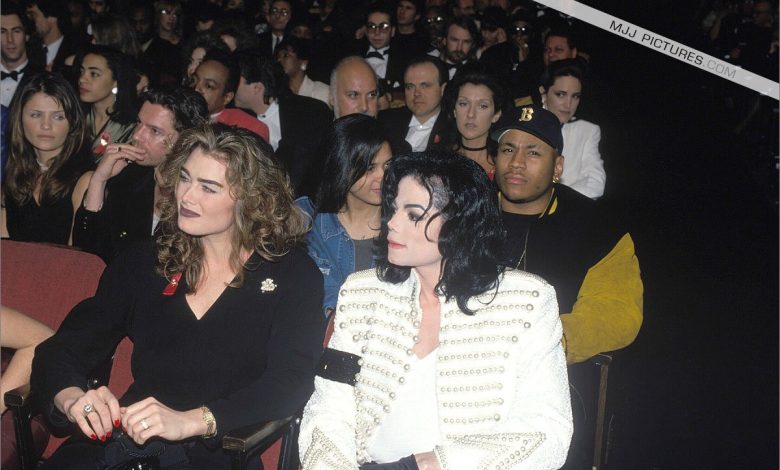
Songs like Heal the World weren’t just background sound — they became part of who we were growing up. Even now, a few notes can take us right back to childhood rooms, old radios, and moments we didn’t know would become memories.
Michael Jackson’s 1993 Grammy Awards appearance is remembered as one of the most emotional and meaningful moments in music history. It wasn’t just an acceptance speech; it was a humanitarian message to the world.


🎤 What Happened at the 1993 Grammy Awards?
At the Grammy Awards in 1993, Michael Jackson was not there to promote an album or win a competitive category.
Instead, he received the Grammy Legend Award, honoring his extraordinary influence on music, culture, and humanitarian work.
He was introduced and honored by his sister, Janet Jackson, which made the moment even more intimate and powerful.
💬 What Did Michael Jackson Say? (Meaning & Key Lines)
Michael’s speech was calm, soft-spoken, and deeply sincere. He spoke less like a superstar and more like a concerned human being.
Here are the core messages of his speech (paraphrased faithfully, not exaggerated):
🌍 1. Children Were His Central Concern
Michael spoke about children suffering around the world, especially those affected by:
-
War
-
Poverty
-
Neglect
-
Violence
He emphasized that children are humanity’s greatest hope, and how society was failing them.
He reminded the audience that children “have taught me everything I know” and that their pain should matter to everyone.
🕊️ 2. Healing the World Was Not a Song — It Was a Mission
Michael explained that songs like Heal the World were not entertainment concepts, but reflections of his real-life beliefs.
He urged adults, leaders, and institutions to:
-
Act with compassion
-
Take responsibility
-
Stop ignoring global suffering
His tone was gentle, but the message was urgent.
🤝 3. He Called for Unity, Not Fame
Unlike typical award speeches, Michael barely spoke about himself.
Instead, he said the honor:
-
Belonged to children
-
Belonged to humanitarian causes
-
Was a reminder of shared responsibility
He thanked the Grammys but redirected the spotlight away from celebrity and toward global conscience.
😢 Why the Speech Still Makes People Emotional


This speech resonates decades later because:
-
He spoke without ego
-
His voice was fragile but sincere
-
There was no performance — only truth
-
It contrasted sharply with the flashy award-show atmosphere
Many viewers say it felt like:
“A child speaking to adults who forgot how to care.”
📚 What This Speech Revealed About Michael Jackson
The 1993 Grammy speech showed:
-
His deep emotional sensitivity
-
His lifelong focus on children’s welfare
-
His belief that art should serve humanity
-
Why fans saw him as more than an entertainer
It also came during a time when:
-
He was misunderstood by the media
-
He was under immense pressure
-
Yet still chose to speak about love and healing
For many people, hearing that song as a child feels like hearing a memory, not just music.


When you first heard Heal the World, you probably didn’t fully understand the words — but you felt them.
That’s what made Michael Jackson different.
As children, we heard:
-
kindness
-
hope
-
safety
-
the idea that adults should protect the world
And as adults, when we hear it again… it hits deeper.
🌱 Why “Heal the World” Stays With Childhood Memories
Michael wrote the song during a period when he was deeply focused on children’s suffering worldwide — war, hunger, abandonment. He once said children showed him “what love really means.”
That’s why the song doesn’t feel like:
-
a pop hit
-
a performance
-
a product
It feels like a promise.
🕊️ From Childhood to Adulthood
When we’re young, the song sounds hopeful.
When we grow older, it sounds necessary.
Many people say:
“I didn’t realize how serious he was until I became an adult.”
That’s why his 1993 Grammy speech connects so strongly with this song — it was the spoken version of “Heal the World.”
That feeling — quiet, warm, a little bittersweet — is something special.


Thinking about the good old days often brings us back to a time when:
-
music felt pure
-
messages felt honest
-
the world felt slower
-
hope came in simple melodies