
Most Americans Oppose a War With Iran — New Polls Reveal Growing Public Resistance
Recent surveys show that many Americans oppose a war with Iran, but the exact number depends on the poll.

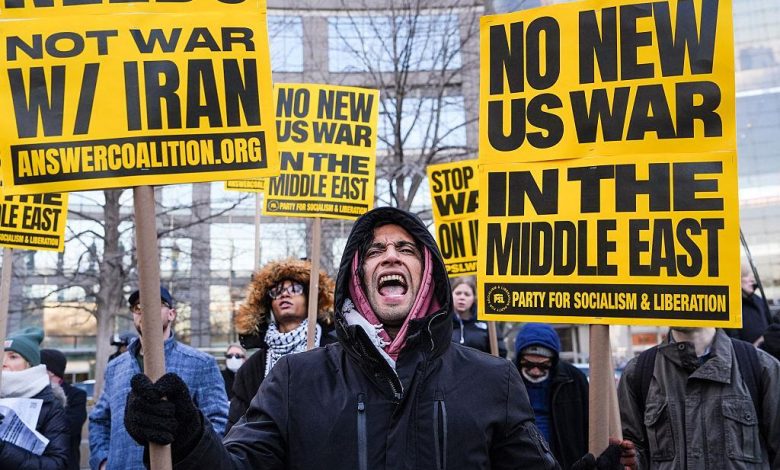
Recent surveys show that many Americans oppose a war with Iran, but the exact number depends on the poll. Here are the most cited recent results:
Across the United States, a growing number of Americans are expressing deep concern about the possibility of a military conflict with Iran. Recent national surveys show that many Americans oppose direct military action, reflecting widespread war fatigue after decades of overseas conflicts.
Most Americans Oppose a War With Iran — New Polls Reveal Growing Public Resistance
Public sentiment appears to be shifting toward diplomacy rather than escalation, as voters from different political backgrounds question the consequences of another war in the Middle East.
Polls Reveal Americans Are Skeptical About War


Multiple national surveys conducted in 2026 show a significant share of Americans oppose military action against Iran.
Key findings from recent polling include:
-
Reuters / Ipsos Poll: about 43% of Americans oppose U.S. strikes on Iran.
-
Economist / YouGov Poll: around 48% oppose military intervention.
-
Washington Post Poll: roughly 52% oppose U.S. airstrikes on Iran.
-
Quinnipiac University Poll: about 70% say the U.S. should not get involved in a war with Iran.
While the exact numbers vary, the overall pattern is clear: opposition to another Middle East war remains strong among American voters.
War Fatigue After Decades of Conflict

One major factor shaping public opinion is war fatigue. Since 2001, the United States has been involved in long conflicts in Afghanistan, Iraq, and other regions.
These wars cost trillions of dollars and thousands of American lives, leaving many citizens cautious about entering another conflict.
For many Americans, the question is no longer whether the U.S. can go to war — but whether it should.
Political Divisions Still Exist
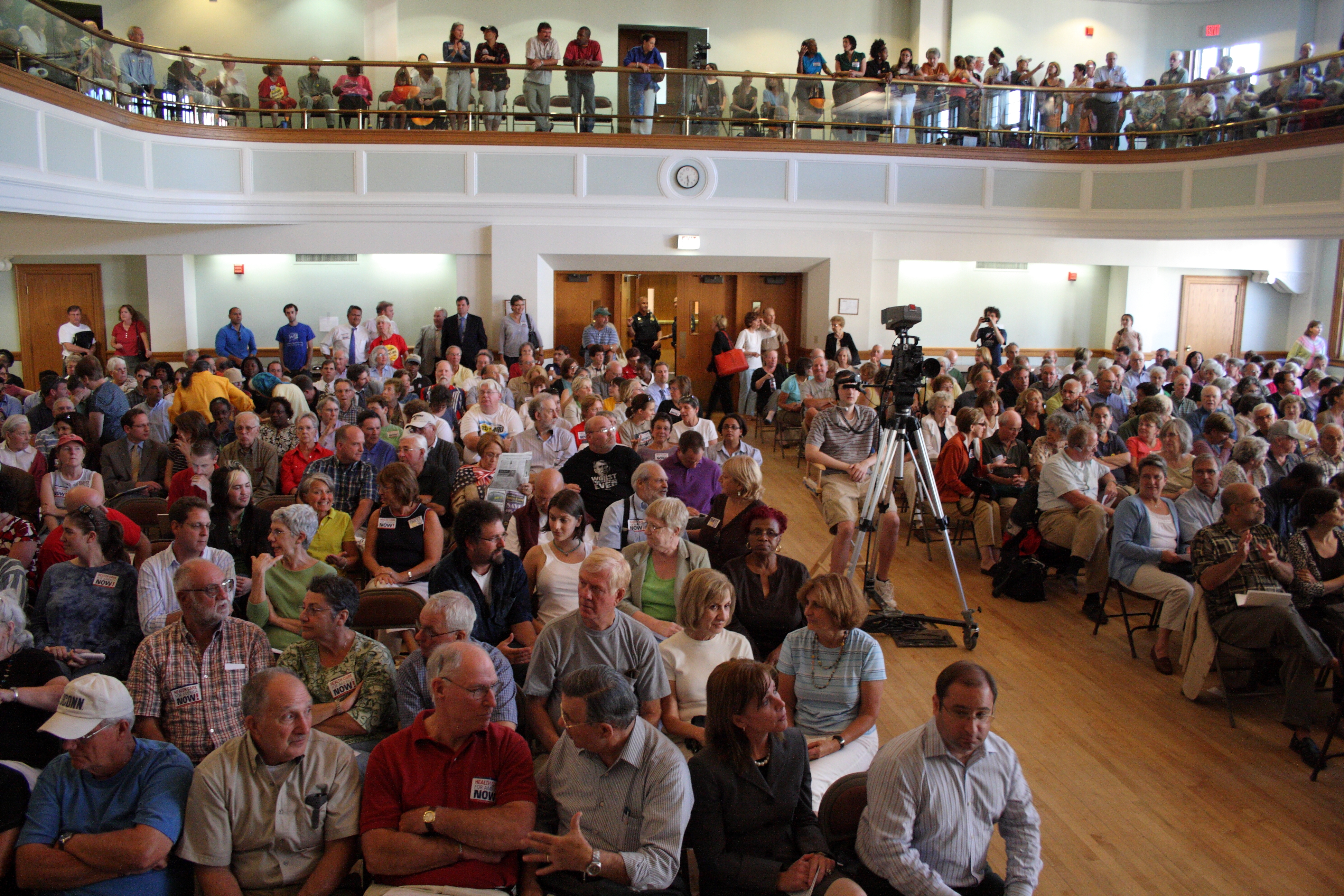
Although opposition to war is widespread, political views still influence opinions.
Some voters argue that military action could deter Iran and strengthen U.S. national security. Others believe diplomacy and international negotiations are the better path.
As tensions in the region evolve, public opinion could shift depending on political leadership, global events, and security concerns.
What This Means for U.S. Leaders
Public opinion plays a powerful role in shaping U.S. foreign policy. When a majority of Americans are hesitant about military involvement, leaders often face pressure to pursue diplomatic solutions instead.
Whether the situation with Iran escalates or stabilizes, one thing is clear: many Americans are wary of another war and are paying close attention to how their leaders respond.